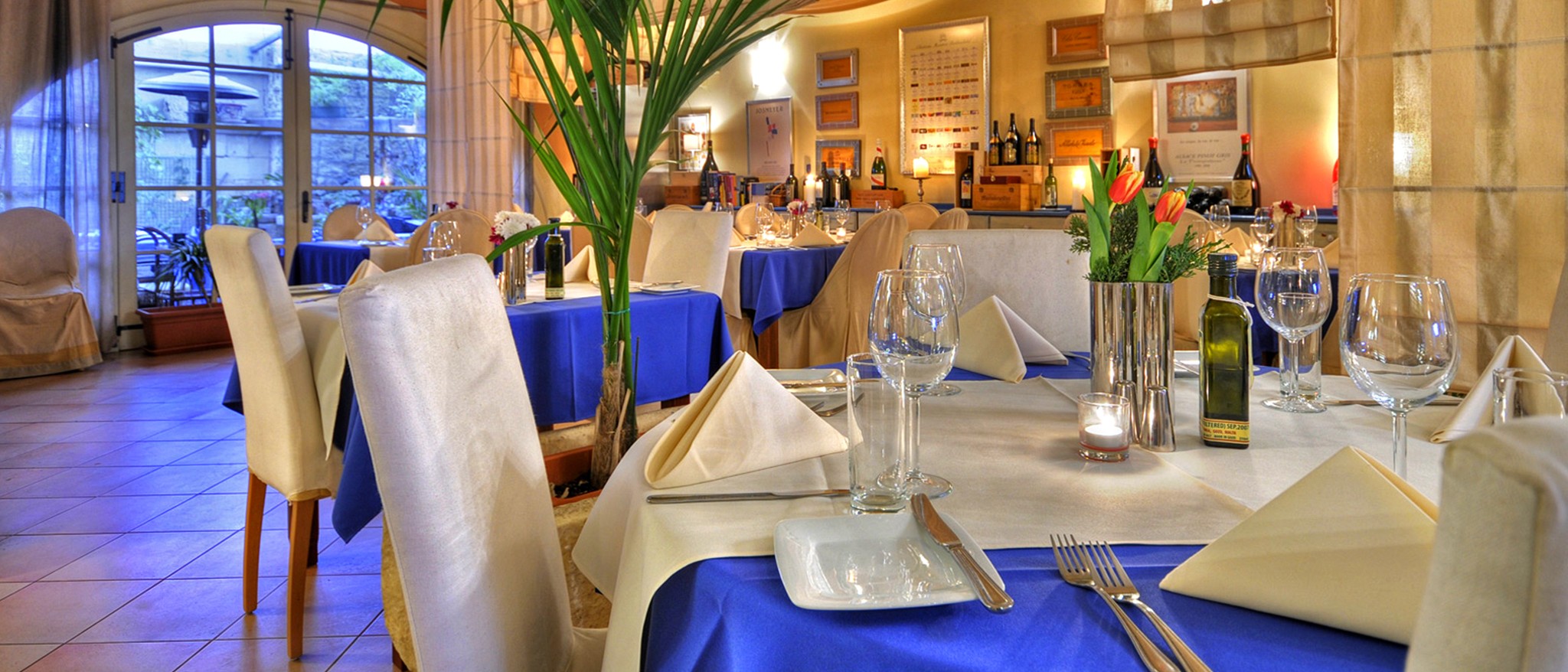
Some driving schools have a standard curriculum; “Patrick’s” doesn’t. Depending on the city, you might find a pub-and-grill, a steakhouse, a family diner, or something Caribbean-leaning—all sharing a familiar name and nothing else. You can see that variety just by comparing different Patrick’s menu pages online, where one location highlights pizza while another focuses on steaks or island dishes.
Why “Patrick’s” shows up in so many places
Restaurant names work like first names: common, memorable, and easy to say out loud. “Patrick’s” sounds established even when it’s new. It also signals something subtle—hospitality with a bit of warmth—without locking the owner into a specific cuisine.
That’s why searches like paris goebel can tolerate misspellings and still land in the right neighborhood, and why “patrick’s” can lead you to many neighborhoods at once. The key is to treat the name as a starting point, not a guarantee.
What Patrick’s menu usually tells you in 30 seconds
Even when two locations have nothing in common, menus tend to reveal the “type” of restaurant quickly. Before you get pulled into photos and reviews, scan for structure:
-
If the menu opens with “shareables,” “wings,” and a long beer list, you’re in pub territory.
-
If it’s organized around “starters / entrées / sides” with premium cuts, it’s aiming upscale.
-
If breakfast is a major section, expect a diner rhythm—early hours and comfort plates.
-
If you see lots of small plates or family-style options, it’s built for groups.
This isn’t about judging quality. It’s about matching your mood to the room before you sit down.
Ordering smart without overthinking it
Most people order based on hunger. Better results come from ordering based on context.
If you’re meeting someone and need conversation-friendly food, pick items that don’t demand constant attention—think salads, sandwiches, bowls, or something you can pause without it collapsing.
If you’re celebrating, the “centerpiece” approach works: one main dish you’re excited about, plus a simple side you’ll actually eat. Avoid building a plate out of five “interesting” things that don’t belong together.
And if you’re trying a Patrick’s for the first time, order at least one thing that feels like the house is known for. Many restaurants have a quiet specialty—an appetizer people always mention, a signature sauce, a dessert that disappears early. Reviews can help, but your server often helps more.
Variations you’ll run into (and why that matters)
Because patricks restaurant can describe wildly different concepts, you’ll see big differences in:
Atmosphere: sports screens vs. date-night lighting
Timing: all-day breakfast vs. dinner-only service
Portions: share-and-snack vs. formal courses
Noise: lively bar energy vs. quieter dining room
It’s worth checking those basics before you go—especially if you’re bringing kids, meeting older relatives, or trying to talk business without shouting.
Tripadvisor and Yelp listings for various Patrick’s locations show how much this can vary even within the same country.
A small detail most first-timers miss
Beginners often assume the menu is the “truth.” In reality, the best choice is sometimes not printed.
A quick, calm question can change your meal: “What’s been coming out great tonight?” or “What do regulars always order?” It’s not a hack; it’s respect for the people who cook and serve there daily.
This works especially well in places where the kitchen rotates specials or adjusts based on supply. Even in restaurants with stable menus, staff usually know what’s consistent and what’s just… there.
How to plan a smooth visit
You don’t need a spreadsheet. Just do the basics:
-
Check hours (some Patrick’s spots close between lunch and dinner).
-
Scan the menu for dietary constraints before you arrive.
-
If it’s a weekend dinner, assume a wait unless you reserve.
-
Decide in advance: “food-first” or “hangout-first.” Your order should follow that.
If the place is busy, ordering quickly isn’t rude—it’s considerate. What’s rude is ordering uncertainly, changing it repeatedly, then blaming the kitchen for the delay.
After the meal: why restaurants become “memory machines”
People remember meals less for the exact seasoning and more for what happened around the table. That’s why some groups drift into rituals: splitting dessert, walking outside, or pulling out a small party deck back at home.
Occasionally someone brings a deliberately rude, adult-humor title like the go f yourself card game—not because it’s elegant, but because it breaks tension and makes people laugh. It’s the same reason “Patrick’s” works as a name: familiar, human, and easy to share.
Patrick’s restaurant can mean a lot of different things, which is exactly why it keeps showing up in searches. Use the name to find the place, then use the menu, the vibe, and a little common sense to decide whether it fits your night. Once you treat Patrick’s menu as a map—not a script—the experience gets simpler, and usually better.